
Basilica Cistern: History and What to See
The Basilica Cistern is one of Istanbul’s most distinctive historic sites: a vast underground reservoir supported by rows of columns and known for its atmospheric lighting and Medusa-head bases. It is an easy addition to a day spent exploring Sultanahmet, especially for visitors interested in Byzantine engineering and the city’s layered history.
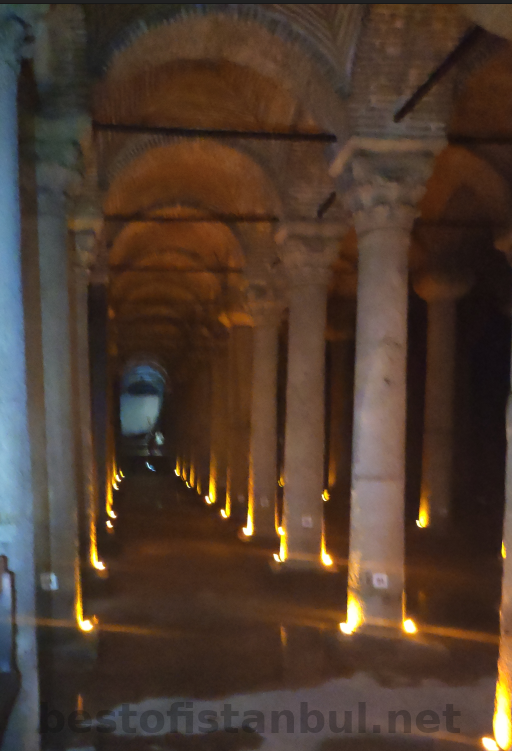
The Basilica Cistern, also known as Yerebatan Sarnıcı, is a fascinating treasure hidden beneath Istanbul’s streets. Constructed during the reign of Byzantine Emperor Justinian I (527-565 AD), this underground marvel is renowned for its forest of 336 marble columns, earning it the nickname “The Sunken Palace.” The cistern, originally built to store and supply water to the Great Palace and nearby structures, is a testament to the city’s ingenious engineering and cultural heritage.
A Marvel of Architecture and Mythology
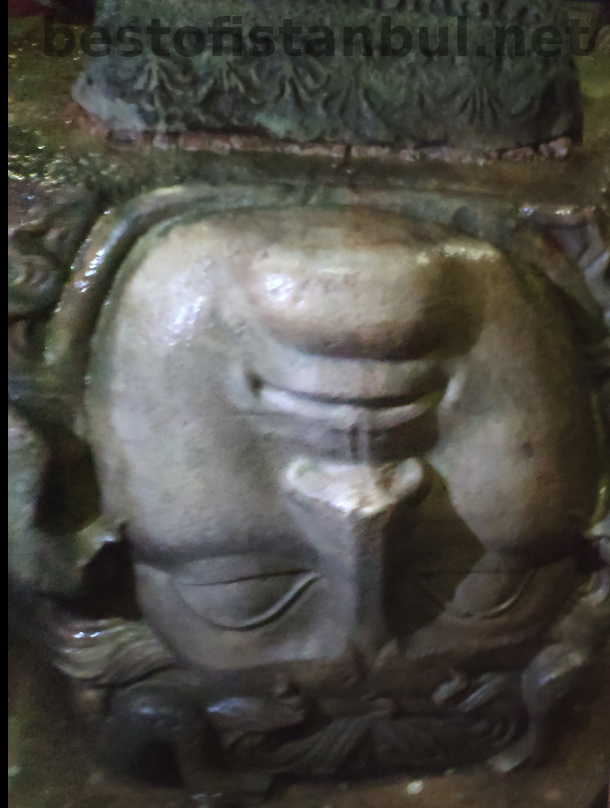
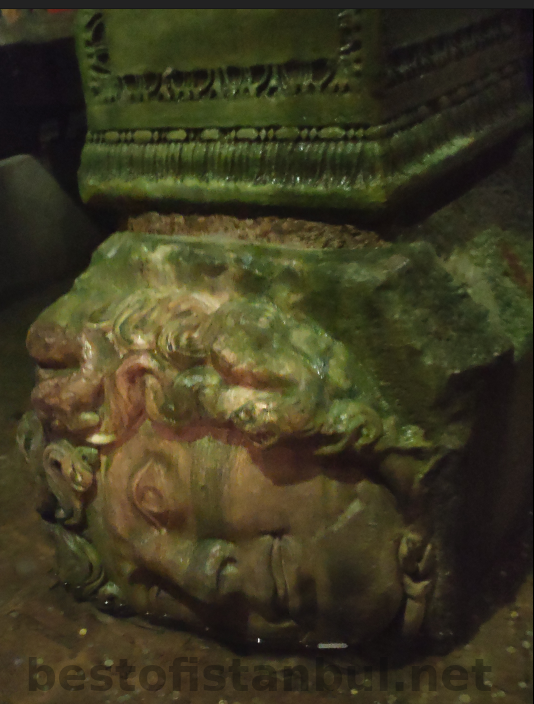
Spanning 10,000 square meters, the Basilica Cistern holds up to 80,000 tons of water and features a rectangular design with walls fortified by thick waterproof mortar. The columns, crafted from various types of marble, vary in style, including Corinthian and simple unadorned designs. However, the most enigmatic elements are the Medusa heads, which serve as bases for two of the columns.
According to Greek mythology, Medusa was one of the three Gorgons, infamous for her ability to turn anyone who looked into her eyes to stone. Some legends say Medusa’s beauty caused the goddess Athena’s jealousy, leading her to transform Medusa’s hair into snakes. Another tale recounts how Perseus, with the help of Athena, beheaded Medusa and used her powers to defeat his enemies. The upside-down and sideways placement of the Medusa heads in the cistern remains a mystery, with theories suggesting they were positioned this way to ward off evil spirits.
Rediscovery and Modern Restoration
Forgotten by the Western world for centuries, the Basilica Cistern was rediscovered in the 16th century by French scholar Petrus Gyllius, who documented its dimensions, columns, and unique features. His records revealed how locals drew water and fished within the cistern, which remained functional even during the Ottoman period.
The site underwent extensive restoration, including major efforts in the 20th and 21st centuries. In 2022, the Istanbul Metropolitan Municipality completed a comprehensive restoration project, transforming the cistern into a vibrant cultural venue. Today, the Basilica Cistern not only showcases Istanbul’s historical grandeur but also serves as a hub for art exhibitions, cultural events, and concerts.
A Timeless Attraction
Visitors from around the globe, including world leaders like U.S. President Bill Clinton and Italian Foreign Minister Lamberto Dini, have marveled at the cistern’s mysterious ambiance. Its combination of architectural brilliance, historical significance, and mythical allure makes it a must-visit destination for anyone exploring Istanbul.
Experience the legends, beauty, and mystery of the Basilica Cistern—a place where history and mythology intertwine. It is close to other major sights in Sultanahmet, so it can fit into a day exploring the historic peninsula. Read our Istanbul attractions guide to plan nearby stops, and confirm current ticket details on the official Basilica Cistern website before your visit.
Address:
Yerebatan Street, Alemdar Neighborhood, No: 1/3, 34410 Sultanahmet-Fatih, Istanbul, Turkey
Phone:
+90 (212) 222 28 82
Visiting Hours:
Opening hours and visitor access may change for events, maintenance or seasonal arrangements. Check the official Basilica Cistern website linked below for the current hours and ticket information before travelling.
Before travelling, search for the official Basilica Cistern website to confirm current tickets, opening hours and visitor notices.
Practical Tips for Your Visit
- Check ticket prices and time-slot requirements before leaving your hotel.
- Allow time to look at the columns and Medusa-head bases without rushing.
- Because the site is underground, follow staff instructions and any photography rules.
- Combine the visit with nearby Sultanahmet sights to reduce travel across the city.
For nearby planning, read our top Istanbul attractions guide and one-day itinerary.
Frequently Asked Questions
Should I check opening hours before visiting?
Yes. Hours, ticket rules and access can change, so use the official website for the latest information.
What is the Basilica Cistern known for?
It is known for its underground setting, rows of columns and two famous Medusa-head column bases.
