Official advice does not tell visitors to avoid Istanbul, but it asks them to take real precautions. The UK Foreign Office (FCDO) says terrorists are likely to try to carry out attacks in Türkiye, that street theft is common in tourist areas, that protests occur, and that the wider region is unpredictable. This page summarises what the FCDO advice said on 4 November 2026, when it showed “still current” and was last updated on 27 October 2026. Last checked: 4 November 2026. Check the advice from your own government too, because wording and risk assessments differ.
What the official advice says about travelling to Istanbul
The FCDO warning for Türkiye advises against travel to parts of the country, and the area it names is within 10 km of the Syrian border. Istanbul is not in the area named in the warning we read. The page also has a section on regional tensions. It says that since conflict began in early 2026, Iran has stated its intention to target places linked to the US and Israel, and that the risk of sudden escalation is high. It tells travellers to prepare for flight cancellations and airspace closures, to follow local authorities, and to stay away from security and military facilities.
Terrorism
The FCDO says most terrorist attacks in Türkiye have occurred in the south-east, Ankara and Istanbul. It lists attacks involving knives, firearms and explosives, and says attacks could be indiscriminate, including in public buildings, places of worship, airports and large public gatherings. Its recent examples in Istanbul include gunmen opening fire near a building housing the Israeli consulate in April 2026, an armed attack on the Çağlayan courthouse in February 2024, an attack on a Catholic church in Sarıyer in January 2024, and an explosion in central Istanbul in 2022. Practical steps: stay aware of your surroundings, follow local media, and leave any area where police are responding to an incident.
Protests and crowds
Regular demonstrations take place in Istanbul and other cities. The FCDO says they may become violent and that police have used tear gas and water cannons. It says demonstrations also occur outside diplomatic missions, particularly Israeli missions in Ankara and Istanbul. Its advice is to avoid all demonstrations and leave if one develops. Transport routes can be disrupted, so check our events this week page before heading to central areas, and allow extra time for the airport.
Everyday crime
- Pickpocketing and street robbery are common in Istanbul’s major tourist areas, the FCDO says. Keep bags closed and phones out of back pockets.
- Counterfeit banknotes. Banks and exchange offices may not accept US$50 or US$100 bills because of a reported surge in fakes. Avoid accepting them.
- Drink and food spiking. Be wary of strangers who approach you to change money or to take you to a restaurant or nightclub. Buy your own drinks and keep sight of them.
- Methanol poisoning. People have died or become seriously ill after drinking illegally produced spirits and counterfeit branded alcohol in Türkiye, including in Ankara and Istanbul. You cannot detect methanol by taste or smell. Buy from licensed venues.
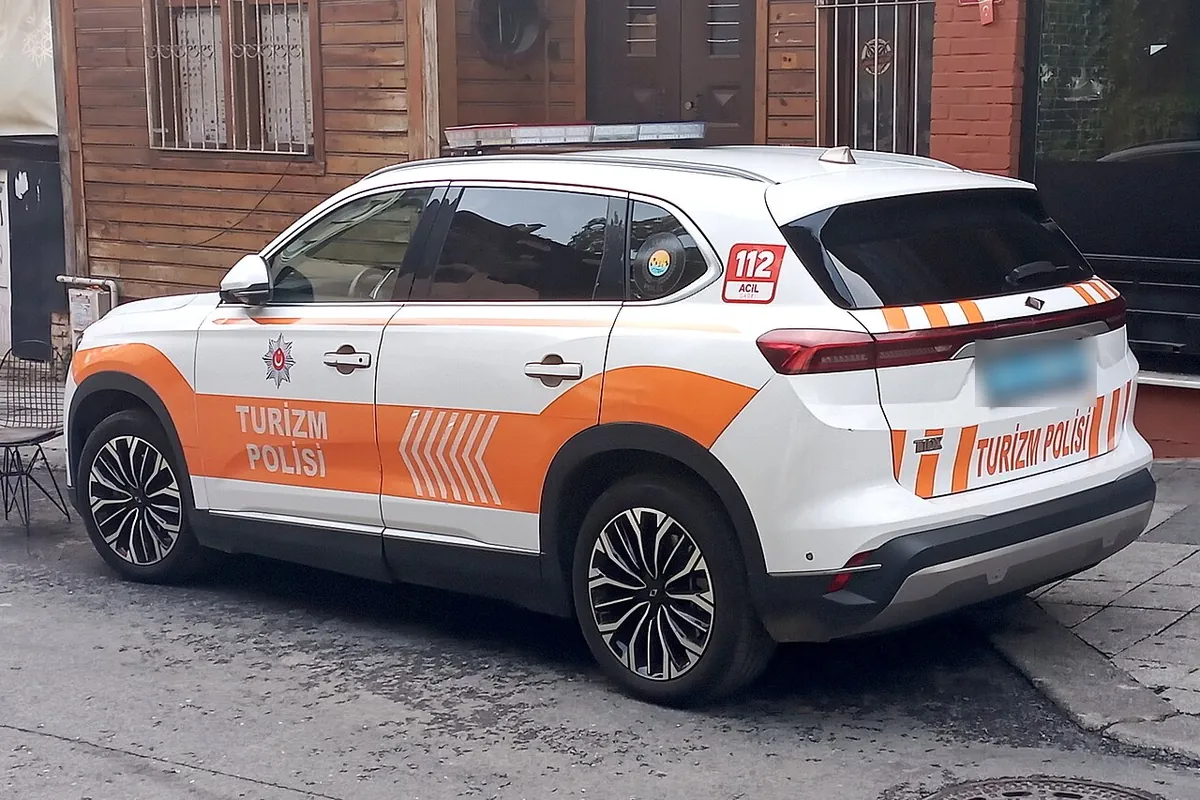
- Taxis. The FCDO calls lifts from unofficial taxis highly risky. Use a registered taxi, note the registration number and make sure the meter runs. App-based and pre-booked taxis are widely available. Our taxi fares guide explains the tariff.
Our tourist scams guide covers the common tricks in detail.
Solo travellers, women and LGBT+ visitors
The FCDO says 4.27 million British travellers visited Türkiye in 2025, and 29 cases of sexual assault, including rape, were reported to British consular staff. It says most cases took place in coastal resort areas during the tourist season, and often involved someone the victim had met that day, including hotel or spa staff. It advises using reputable providers, not sharing details of your accommodation unnecessarily, and calling 112 for police if you feel threatened. Same-sex activity is legal in Türkiye, but some areas are socially conservative, public displays of affection may attract attention, and Pride events have been banned or dispersed since 2015.
Laws and customs that can get visitors into trouble
- It is illegal not to carry some form of photographic ID.
- Insulting the Turkish nation or flag, the President or Atatürk is a criminal offence, even online, with sentences of 6 months to 3 years.
- Illegal drugs carry sentences of 4 to 24 years. Antiquities cannot be exported (5 to 12 years).
- Do not photograph military or official installations, and ask before photographing people.
- Dress modestly in mosques. Our Blue Mosque guide has the details.
- Stray dogs gather in some parks and wasteland. Do not approach them, and get medical advice quickly if you are bitten.
Natural hazards and health
Istanbul is in an earthquake zone. Read our earthquake safety guide and know your hotel’s exits. For illness or injury dial 112, and see our emergency health guide and our travel insurance checklist.
Before you go: a short routine
- Read your own government’s travel advice and sign up for alerts if it offers them.
- Buy travel insurance and check its exclusions.
- Save your embassy’s emergency number and 112 in your phone.
- Check flight status before leaving for the airport, since the FCDO warns of possible disruption.
- Avoid demonstrations, and move away from any area where police gather.
Frequently asked questions
Is it safe to walk in Istanbul at night?
The FCDO does not give a rule for walking at night. It warns about pickpocketing in tourist areas, spiking and unofficial taxis. Choose busy, well-lit streets and use registered or app-based taxis.
Is Istanbul safe for solo female travellers?
The FCDO reports 29 sexual assault cases among 4.27 million British visitors to Türkiye in 2025, mostly in coastal resort areas, and it advises the precautions listed above. It gives no separate figure for Istanbul.
Should I cancel my trip?
That depends on your government’s advice, your insurance and your own comfort. This page reports the official advice and does not predict events.
