
Most first-time visitors see Sultanahmet, the Grand Bazaar and the Bosphorus. Seven other places repay a detour: a Bosphorus pavilion, a mosque covered in İznik tiles, an early Byzantine church, an iron church and a fortress at the old land gate. For each one you get what it is, where it is and what to check before you go. We list hours only where an official source gives them, and otherwise tell you to check.
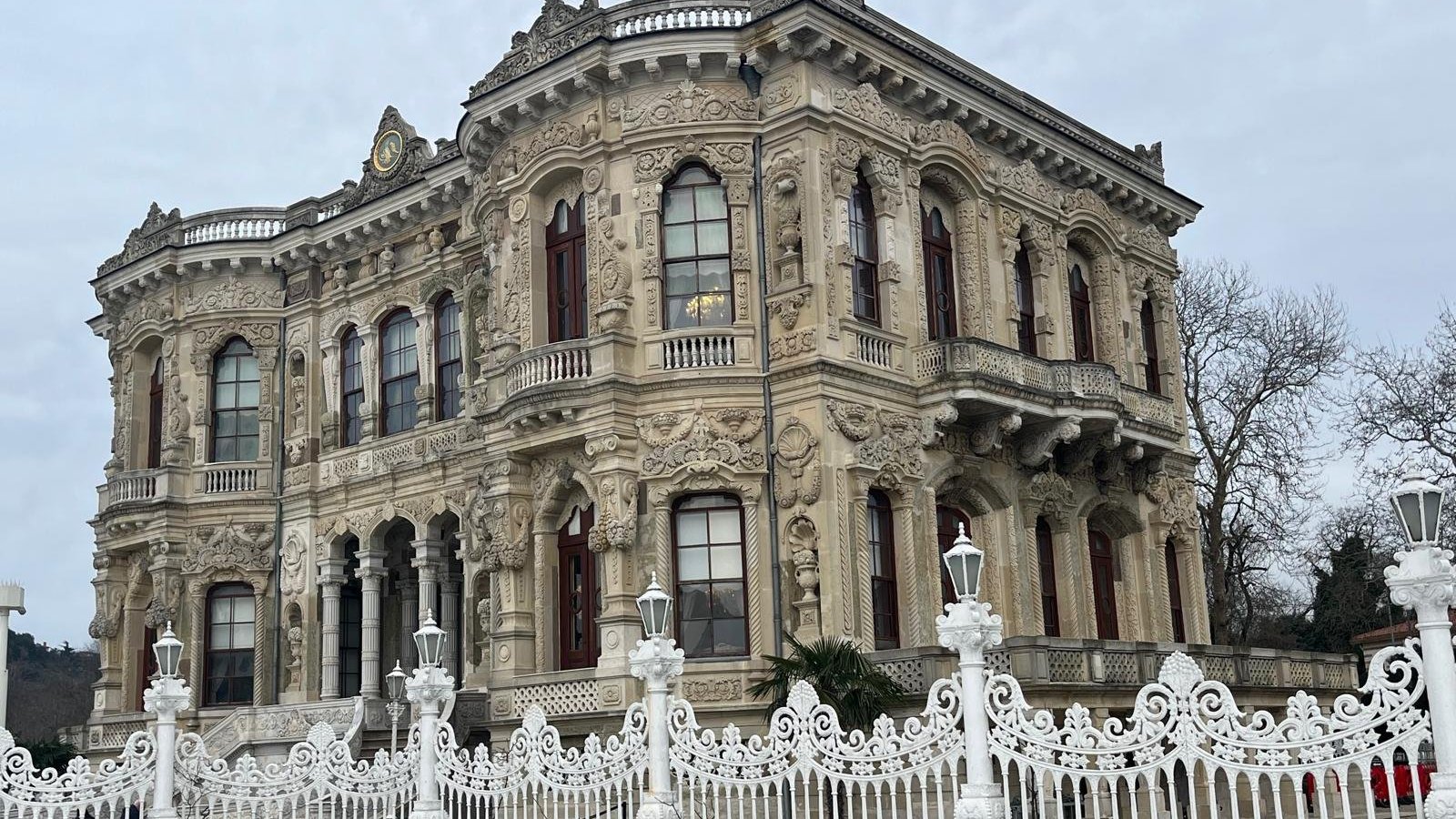
1. Küçüksu Pavilion (Küçüksu Kasrı), Beykoz
Sultan Abdulmejid I commissioned this summer pavilion, and it was finished in 1857. The architects were Garabet Balyan and his son Nigoğayos, and the style is neo-baroque. The building is small, only about 15 by 27 metres, and sultans used it for short stays during country outings. Its garden is closed off by cast-iron railings rather than high walls, so you can see the façade from the street.
The pavilion sits on the Asian shore between Anadoluhisarı and the Fatih Sultan Mehmet Bridge. It opened to the public as a museum after a restoration in 1944. Reported opening days and ticket prices differ from one site to the next, so check the National Palaces administration (Milli Saraylar) before you travel.
2. Rüstem Pasha Mosque, Tahtakale
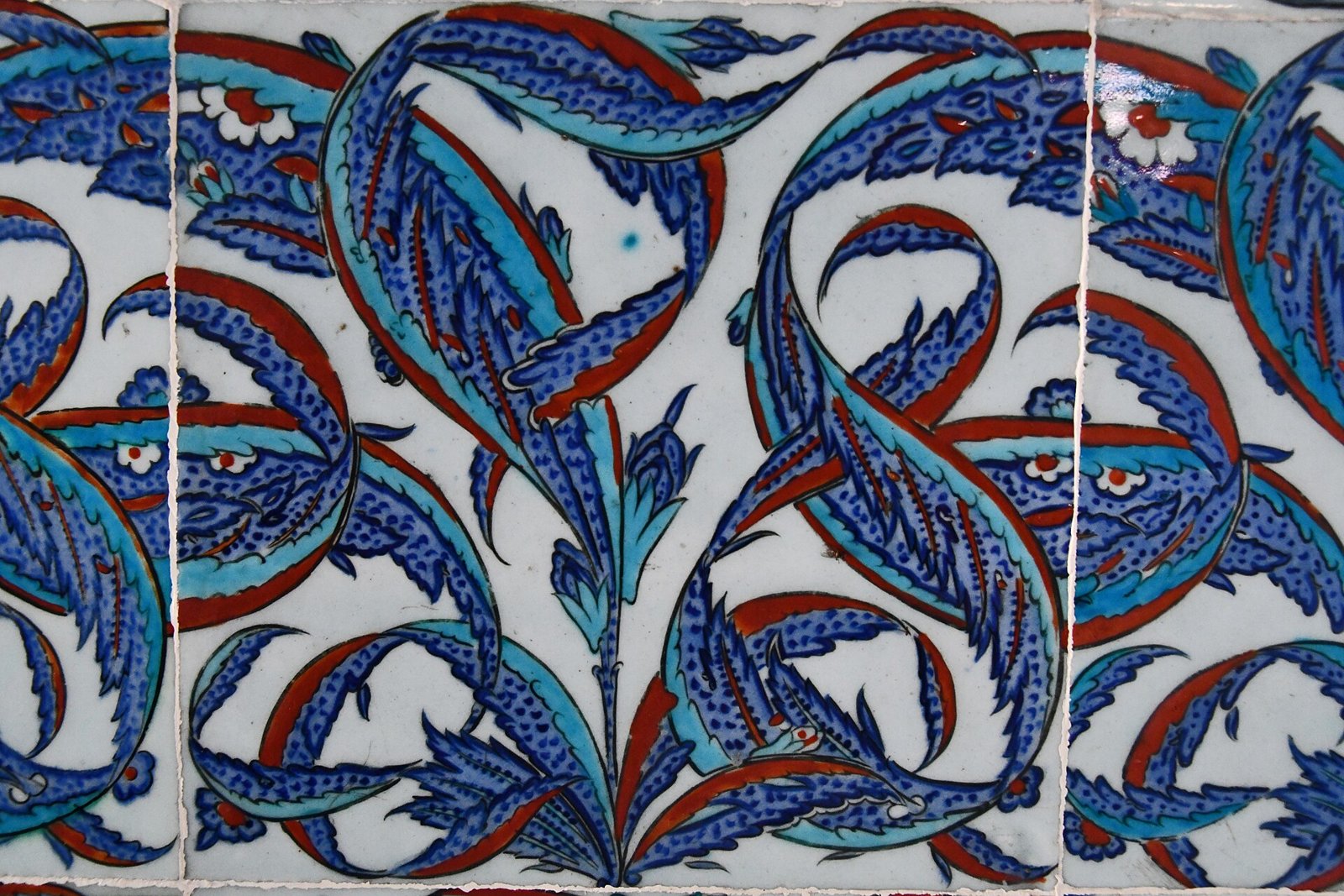
Mimar Sinan built this mosque between 1561 and 1563 for Rüstem Pasha, grand vizier to Suleiman I. It stands on a raised terrace above a row of shops near the Spice Bazaar, and you reach it by narrow stairs, which is why many visitors walk past. Inside, İznik tiles cover almost every wall surface. One count gives about 2,300 tiles in around 80 patterns. It reopened for worship in 2021 after a long restoration.
Pair it with our Grand Bazaar and Spice Bazaar route. It is a working mosque, so dress modestly and avoid prayer times.
3. Little Hagia Sophia (Küçük Ayasofya), Kumkapı
Emperor Justinian built the Church of Saints Sergius and Bacchus, and it was finished in 536. It was converted to a mosque between 1506 and 1513. Its plan is an octagon inside an irregular four-sided shape, under a dome with sixteen compartments. Some capitals still carry the monograms of Justinian and Theodora. A restoration ended in September 2006, and the building reopened to the public and for worship.
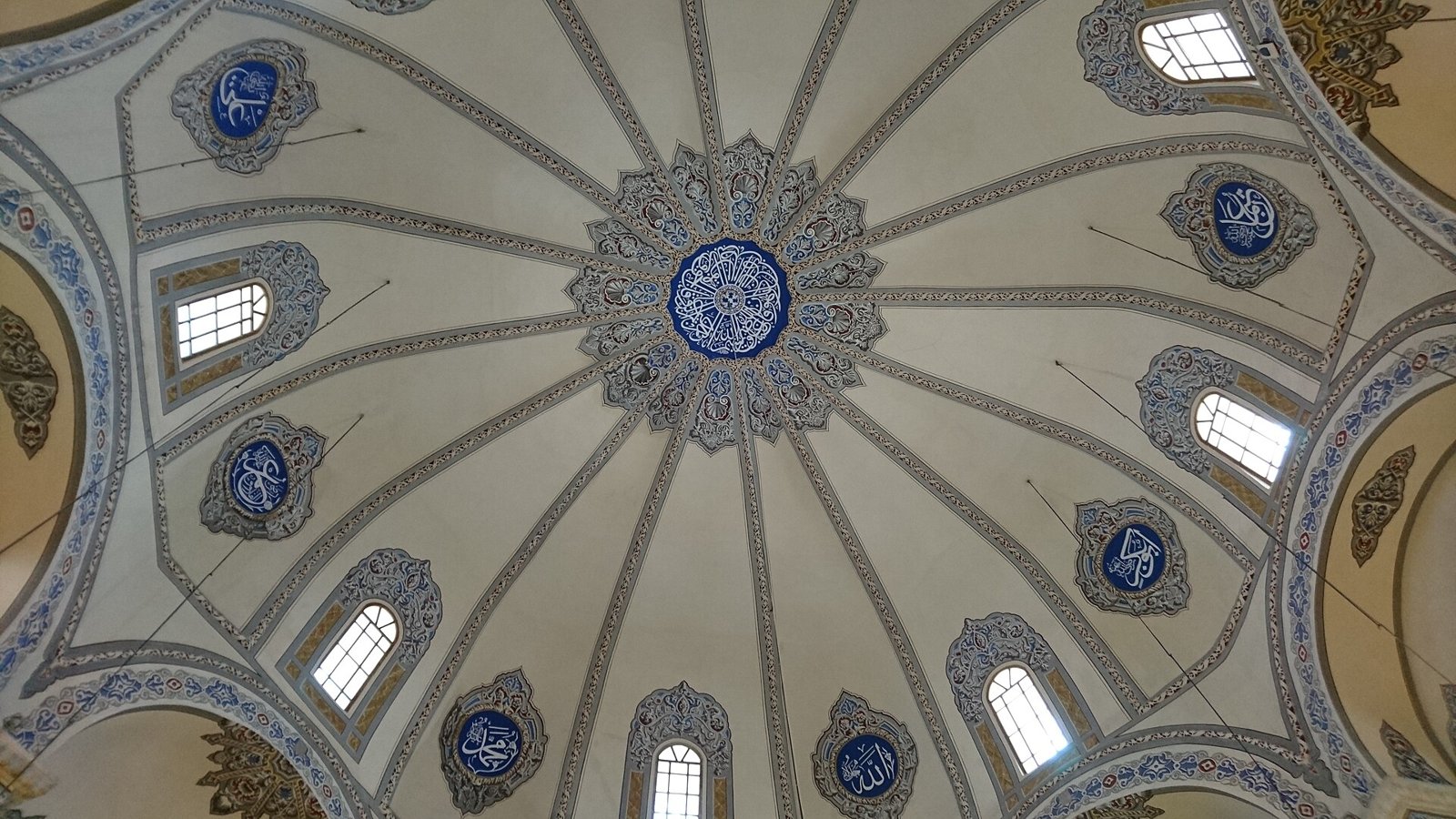
It lies south of the Hippodrome, near the Marmara shore, so you can add it to a Sultanahmet day without crowds.
4. Zeyrek Mosque (Pantokrator Monastery), Zeyrek
This was the Monastery of the Pantokrator, begun by Empress Irene of Hungary between 1118 and 1124. John II Komnenos added a second church, and a chapel joined the two and served as the imperial mausoleum. After 1453 the main church became a mosque. It overlooks the Golden Horn from Fazilet Street. A restored Ottoman house next to it runs as the Zeyrekhane restaurant and tea garden. Our Çinili Hamam guide covers the other sight in the same neighbourhood.
5. Bulgarian St. Stephen Church (the Iron Church), Balat
The soft ground on the Golden Horn shore made a heavy stone church risky, so the builders chose an iron frame. The Vienna firm R. Ph. Waagner cast about 500 tons of iron elements between 1893 and 1896 and shipped them down the Danube and across the Black Sea. The church was inaugurated on 8 September 1898 and reopened after restoration on 8 January 2018.
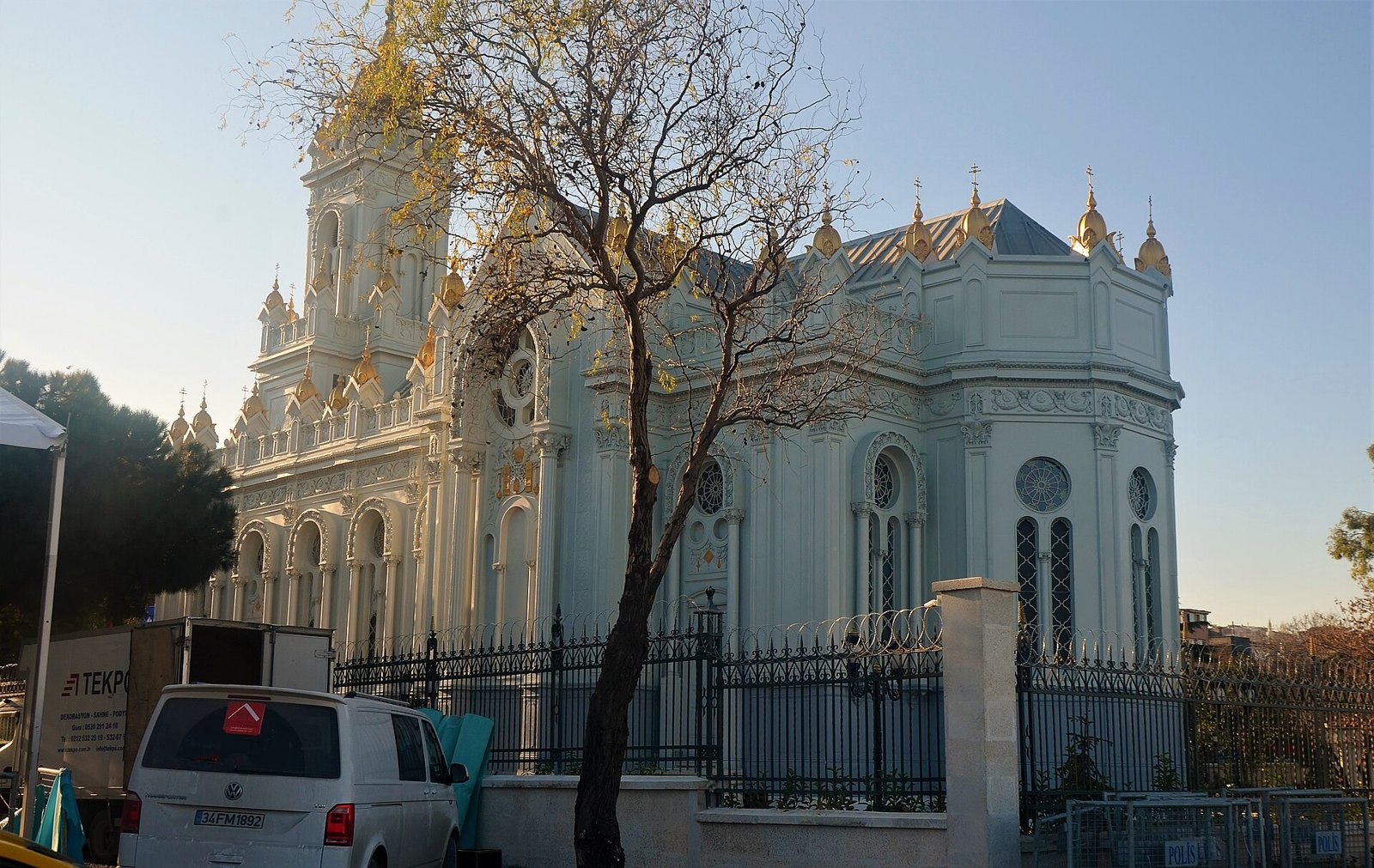
Read our Iron Church guide and combine it with the Balat and Fener walk.
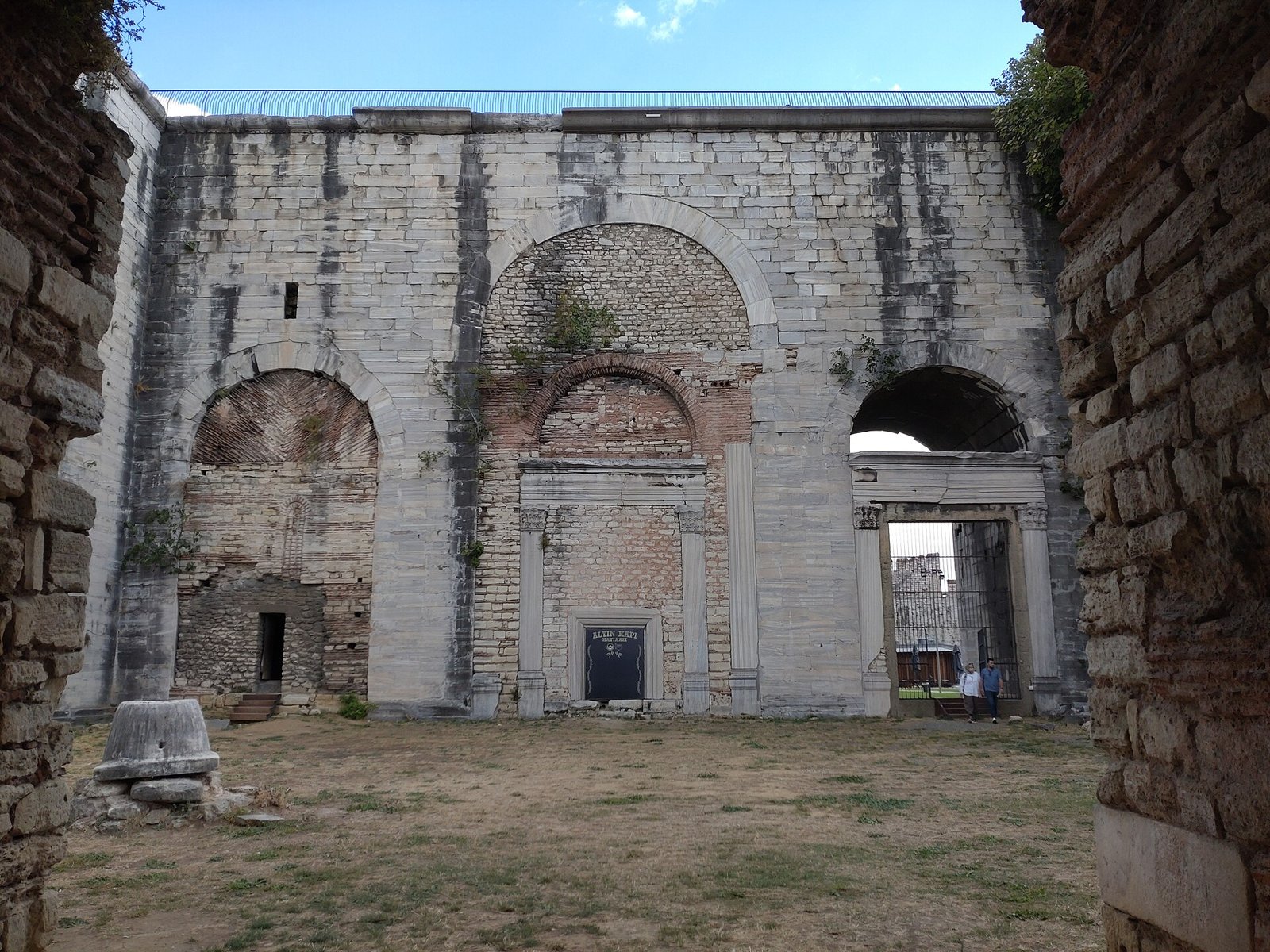
6. Yedikule Fortress, Yedikule
Mehmed II had the Fortress of the Seven Towers finished around 1458. It encloses part of the ancient Walls of Constantinople, including the twin towers of the Golden Gate. It first held the Ottoman treasury, then became a state prison. Osman II was imprisoned here and killed in 1622. It became a museum in 1895 and today has an open-air theatre for festivals. It stands on the Marmara shore at the former main land gate. We could not confirm current opening hours and prices, so check locally before you make the trip.
7. Arap Mosque and the Camondo Stairs, Karaköy
The Arap Mosque began as a Dominican church in the 1320s. It is often described as the only surviving medieval Gothic religious building in the city. A few minutes away, the curved Camondo Stairs link Bankalar Caddesi with Kart Çınar Sokak. Both are on the route in our Karaköy walking guide.
How to combine them
- Old city half day: Little Hagia Sophia, then the Hippodrome area, then Rüstem Pasha and the Spice Bazaar.
- Golden Horn day: Zeyrek, then Balat and the Iron Church.
- Asian-shore morning: Küçüksu Pavilion, then a quieter walk such as Kuzguncuk.
- Separate trip: Yedikule is far from the other sights, so give it its own slot.
For ferries and trams, you will need an Istanbulkart. See our Istanbulkart guide. For quieter green spaces, see our hidden gardens guide.
Last checked: 28 October 2026. Historical facts come from Wikipedia’s articles on each site. Check each site’s official page for current hours and prices.
