Food allergies in Istanbul are manageable if you plan ahead. Restaurants cook with nuts, sesame, dairy and wheat in many everyday dishes, and menus often do not list allergens. Carry a written card in Turkish, ask about each dish, and keep your medication with you. This guide gives the Turkish words and sentences you need.
Last checked: 30 October 2026. We are not doctors, and this guide does not replace medical advice. We did not find an official Turkish allergen guide for restaurants, so the phrases below come from standard Turkish. Ask hotel reception or a Turkish speaker to confirm your card before you rely on it.
Key phrases for food allergies in Istanbul
Say the first sentence, then add the allergen from the table.
- I have an allergy: Alerjim var. (ah-LEHR-zhim vahr)
- I am allergic to …: … alerjim var. For example, “Susam alerjim var.”
- Does this contain …?: İçinde … var mı?
- I cannot eat this: Bunu yiyemem.
- Please check with the kitchen: Lütfen mutfağa sorar mısınız?
| English | Turkish |
|---|---|
| Peanut | Yer fıstığı |
| Pistachio | Antep fıstığı |
| Hazelnut | Fındık |
| Walnut | Ceviz |
| Almond | Badem |
| Sesame | Susam |
| Milk | Süt |
| Egg | Yumurta |
| Wheat / gluten | Buğday / gluten |
| Fish | Balık |
| Shellfish | Kabuklu deniz ürünleri |
| Soy | Soya |
Do not use the word “fıstık” alone. It can mean peanut or pistachio, so say the full name from the table. The Turkey Travel Planner food vocabulary list has more food words.
Write it on a card
A card works better than speaking, because the kitchen can read it again. Include four things: what you are allergic to, how serious it is, whether traces matter, and whether you need clean pans and utensils.
- Name the allergen: “Fındık alerjim var.”
- Say it is serious: “Ciddi bir alerjim var.”
- Ask for clean cooking: “Lütfen temiz tava ve temiz bıçak kullanın.”
- Ask about sauces: “Soslarda var mı?”
Where allergens hide in Istanbul food
- Sesame: simit (the street bread ring), tahini sauces and some breads.
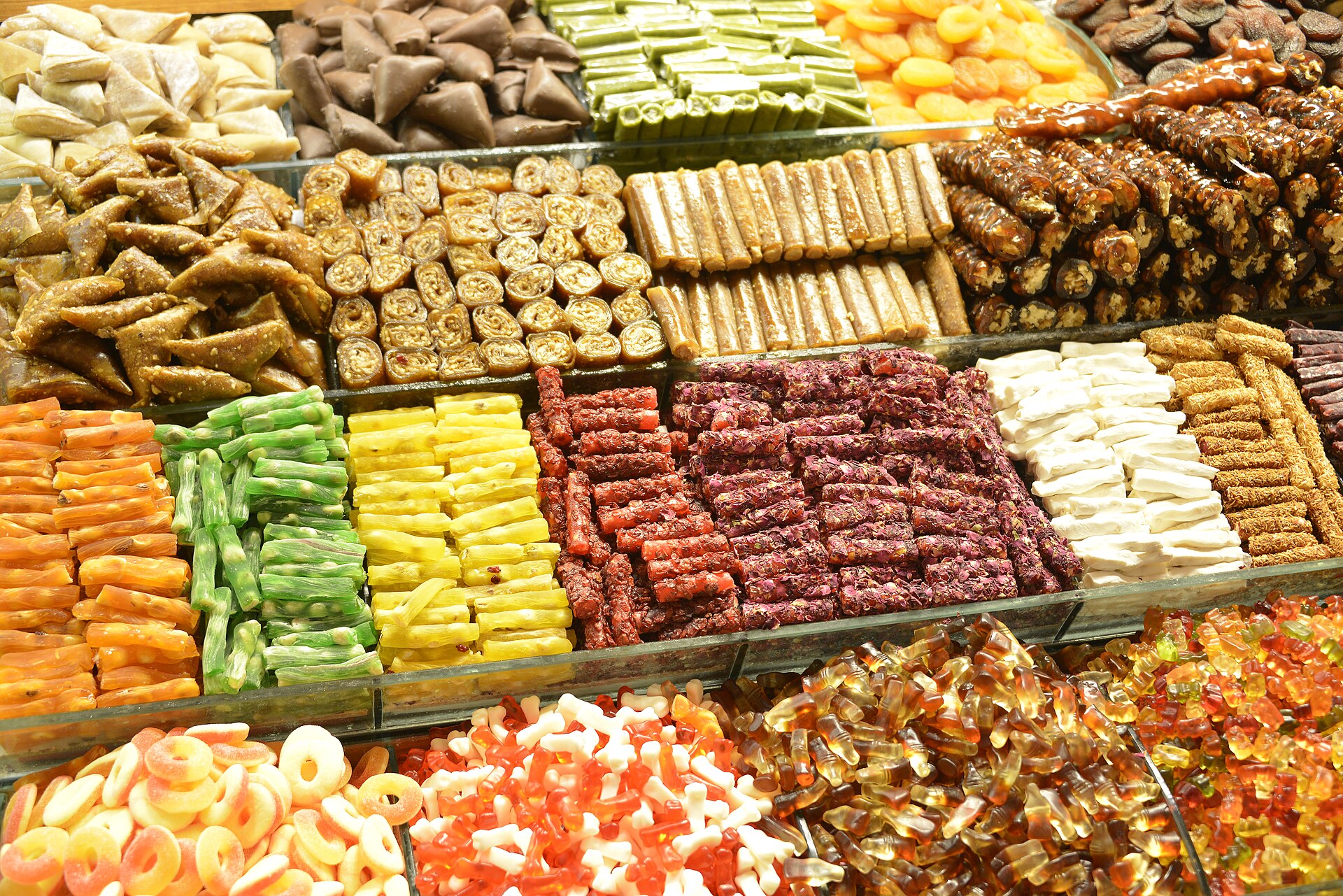
- Nuts: baklava, many desserts and some stuffed vegetable dishes. A traveller on a forum reported a peanut-allergic friend who ate tahini halva in a bazaar, so ask about sweets.
- Dairy: yoghurt sauces, cheese in pastries and clotted cream (kaymak) at breakfast.
- Wheat: bread comes with most meals, and bulgur and pasta appear in side dishes.
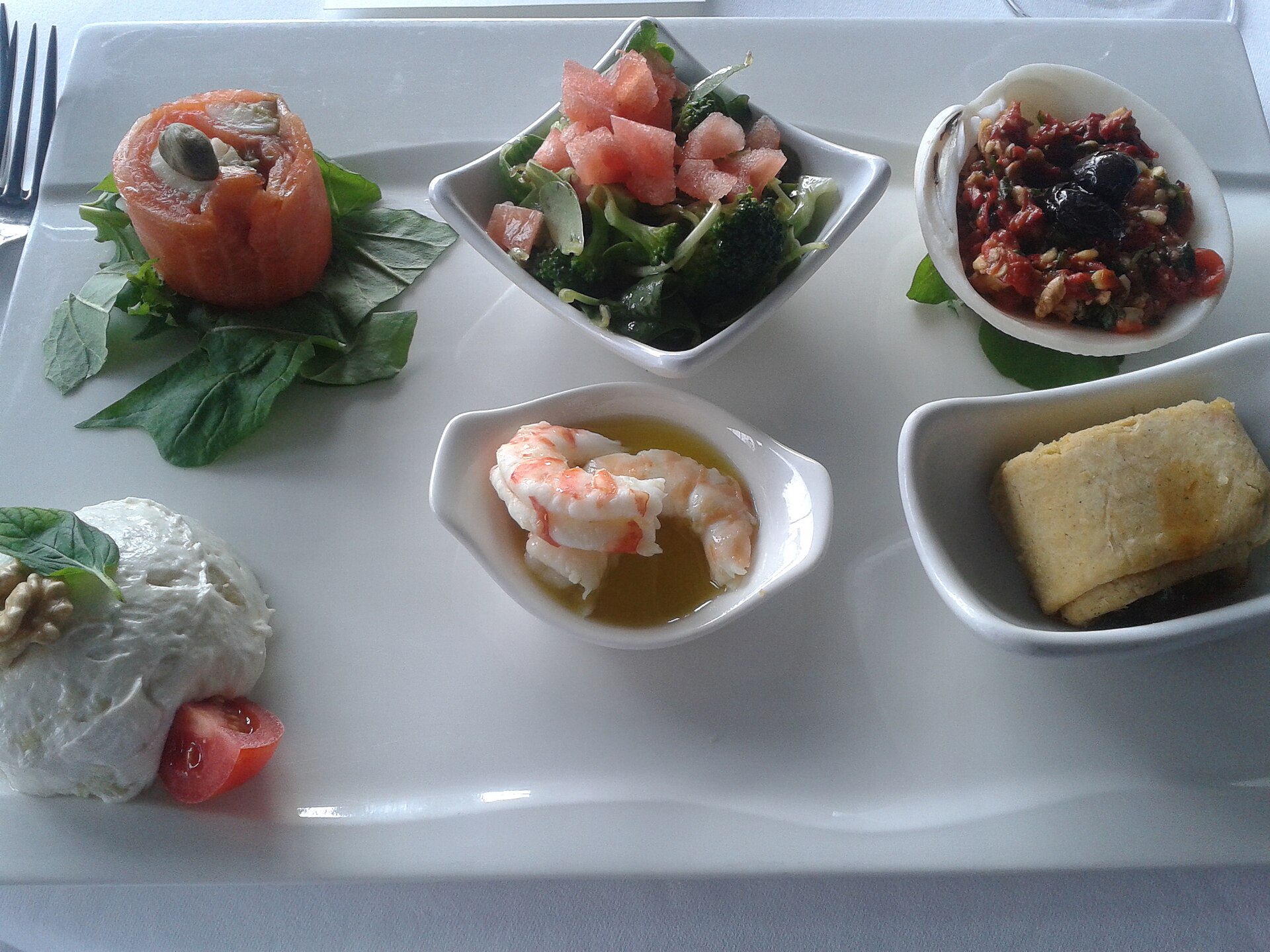
- Fish and shellfish: meze plates, especially at waterfront restaurants.
Before you eat out
- Choose simpler dishes where you can see the ingredients, such as grilled meat or fish and plain rice.
- Ask your hotel to phone the restaurant if you have a serious allergy.
- Carry your own medicine, including adrenaline if you were prescribed it. Keep it in your hand luggage.
- Read our Turkish breakfast guide before you order a spread. The breakfast table has several allergens.
- Look at our street food guide for what each snack contains.
If you have a reaction
Call 112 for an ambulance. Our emergency health guide explains the system, hospitals and what to bring. Show your card and name the allergen to the staff.
Frequently asked questions
Can I get gluten-free food in Istanbul?
Some cafés and restaurants offer gluten-free dishes, but standards vary. Ask about cross-contact, for example shared fryers, and avoid bulgur and bread unless the staff confirm they are safe. “Çölyak hastasıyım” means “I have coeliac disease”.
Do Turkish menus list allergens?
Many do not. Ask about each dish, even if the menu looks simple.
