
Turkey uses 230 V and 50 Hz, with Type F sockets that also accept Type C plugs. Visitors from most of continental Europe, Russia and Iran can plug in without an adapter. Visitors from the UK, Australia, the US, Canada and Japan need an adapter, and some also need to check whether their devices handle 230 V. Last checked: 2 November 2026. Use the table below, then read the label on each charger before you pack.
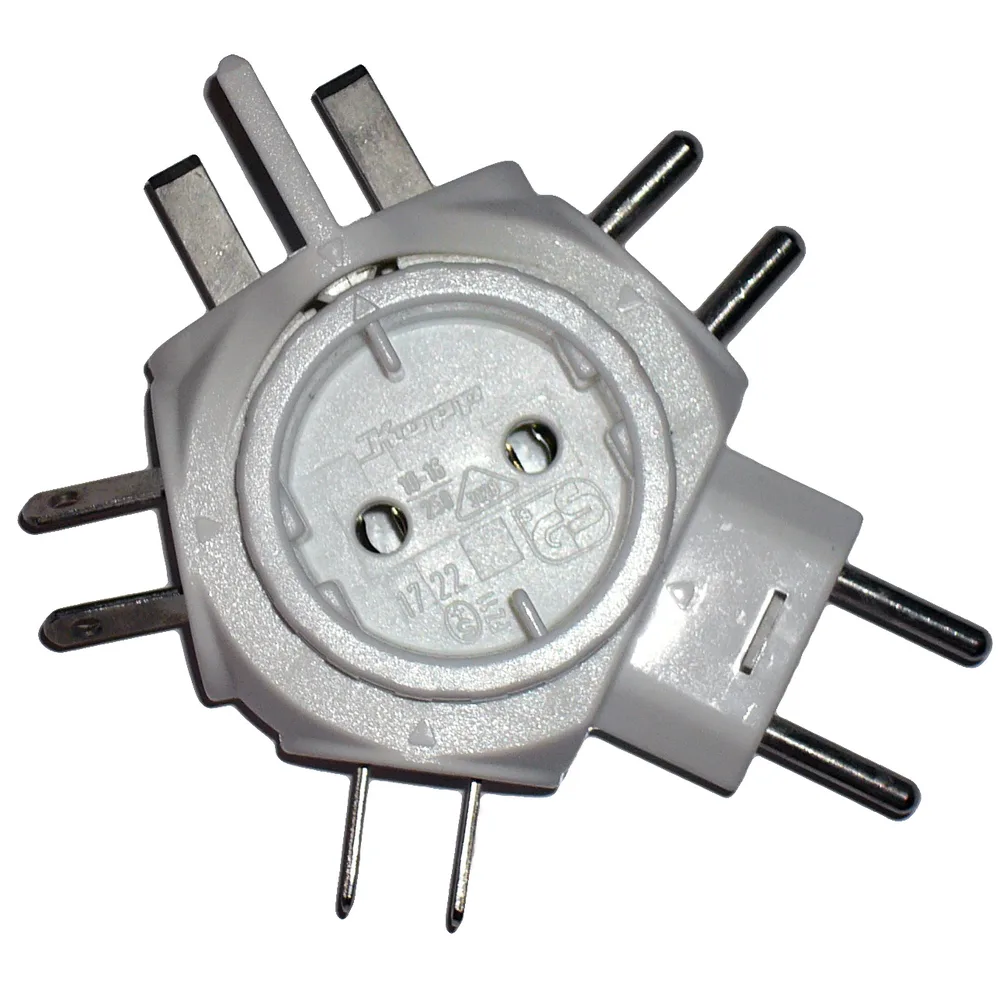
Plugs and voltage in Turkey
The mains supply in Turkey is 230 V at 50 Hz, according to World Standards’ Turkey page. Turkish outlets are Type F, the earthed two-round-pin socket also used in Germany. Type C plugs, the thin two-pin Europlug, fit these sockets, and the same page says Type E plugs fit as well. Flat-pin plugs from the US, UK and Australia do not fit.
Which countries do most visitors come from?
Official ministry figures reported by Anadolu Agency show Istanbul received 16.01 million foreign visitors in January to October 2025, about 33.9% of all arrivals in Türkiye. Russia ranked first nationally with a 13.5% share, followed by Germany and the UK. I could not find an official Istanbul-only ranking for 2025, so the list below also includes other common source countries: the US, Iran, France, the Netherlands, Australia and Japan.
| Your country | Plug type at home | Home voltage | What you need in Istanbul |
|---|---|---|---|
| Russia | C, F | 230 V | Nothing |
| Germany | C, F | 230 V | Nothing |
| Netherlands | C, F | 230 V | Nothing |
| Iran | C, F | 220 V | Nothing |
| France | C, E | 230 V | Nothing; Type E fits |
| United Kingdom | G | 230 V | Type G to C/F adapter |
| Australia | I | 230 V | Type I to C/F adapter |
| US and Canada | A, B | 120 V | Adapter, plus check each device for 230 V |
| Japan | A, B | 100 V | Adapter, plus check each device for 230 V |
The plug and voltage details in the middle columns are the national standards and I did not check them against each country’s official source, so rely on your own device labels for the final answer.
Adapter or converter: what is the difference?
A plug adapter only changes the shape of the plug. It does not change the voltage. A voltage converter or transformer changes the voltage, and it is heavier and more expensive. You need a converter only for a device that cannot run on 230 V.
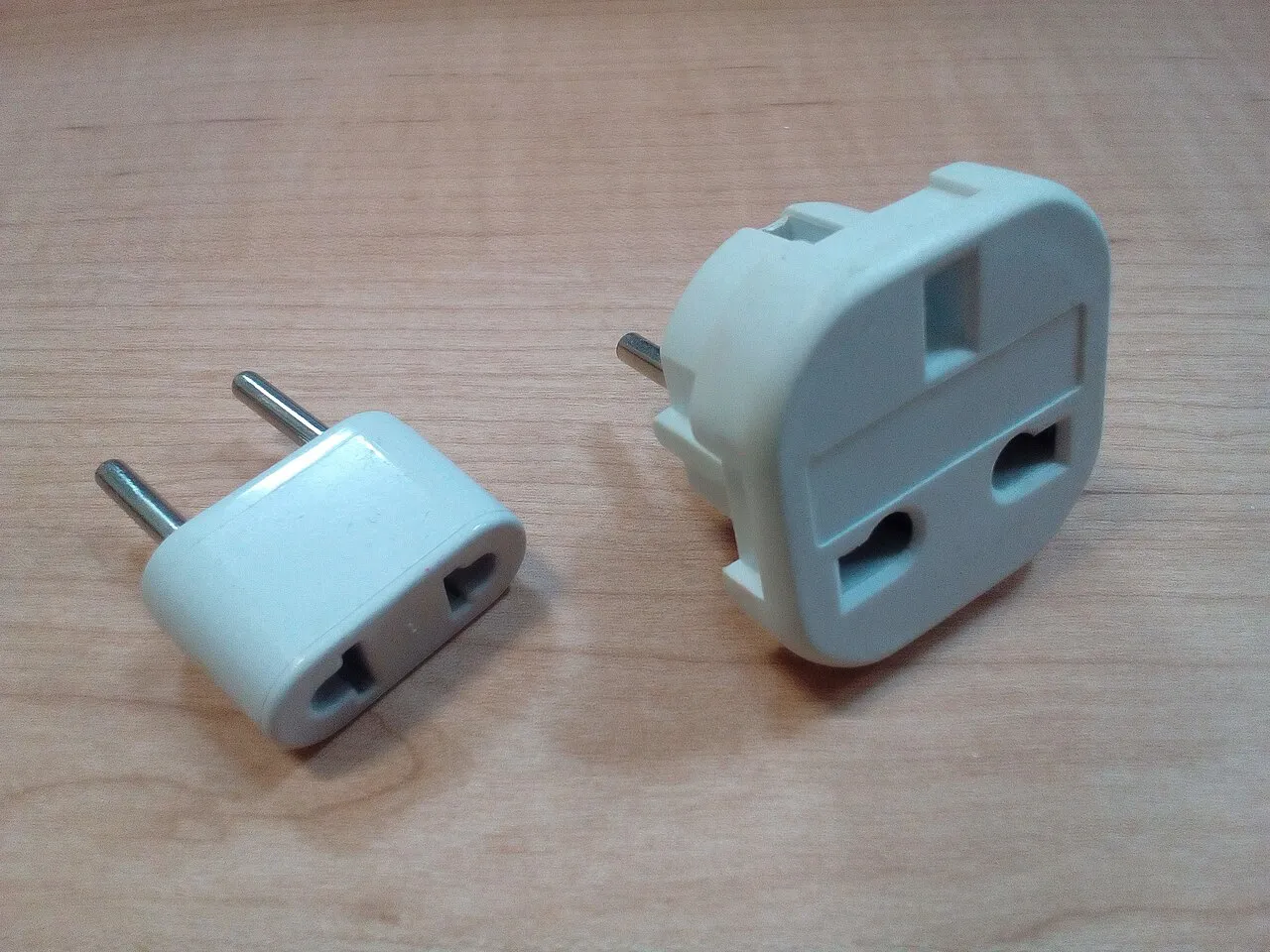
Look for the small print on the charger or the device. If it says Input: 100-240V ~ 50/60Hz, it is a dual-voltage device, and a plain adapter is enough. Phone, laptop, tablet and camera chargers are usually labelled this way. If it says only 120 V or 110 V, plugging it in directly can damage it.
What to check if you come from the UK or Australia
Your mains is already 230 V, so you need only a plug adapter. Choose one rated for the appliance you plan to use, because a kettle or hair dryer draws more current than a phone charger.
What to check if you come from the US, Canada or Japan
Pack an adapter, then check each device. Chargers for phones and laptops are usually fine. Devices that often carry only a single 120 V rating include hair dryers, straighteners, curling irons and some travel kettles. For these, the simplest option is to buy a cheap local appliance, or borrow a hair dryer from your hotel. Our Istanbul guide for Americans covers other first-trip basics.
Frequency also differs: the US uses 60 Hz and Turkey uses 50 Hz. This matters for devices with motors or clocks, but dual-voltage electronics are generally unaffected. If a device has a medical purpose, ask the manufacturer before travelling.
Where to buy an adapter
- At home, before you fly: this is usually the easiest option, because you can choose a model that matches your devices.
- At Istanbul Airport: a travel guide reports adapters at airport shops, including Skross displays in D&R stores. Check stock before relying on this, as I could not confirm current availability or prices.
- Electronics chains: Teknosa, MediaMarkt and Vatan Bilgisayar sell travel adapters. On their websites, search for “travel adapter” or “seyahat adaptörü”. Call or check the store page before you go, because stock varies by branch.
- Markets: a guide to Istanbul electronics shopping suggests the Eminönü district and the electronics section of the Grand Bazaar. Quality varies, so choose a sealed, branded product.
- Your hotel: reception may lend adapters, but this is not guaranteed. Ask before you arrive.
Tips for choosing an adapter
- Buy a slim one if your socket is recessed, since a bulky adapter may not reach the contacts.
- If you carry several devices, bring one multi-port USB charger instead of several adapters.
- Do not stack adapters. If your plug does not fit, use a single adapter for the right type.
- Do not use a plug adapter to run a 120 V-only appliance on 230 V.
Frequently asked questions
What plug type is used in Turkey?
Turkey uses Type F sockets and also accepts Type C plugs, at 230 V and 50 Hz.
Do I need an adapter in Istanbul?
Not if you come from continental Europe, Russia or Iran. UK, Australian, US, Canadian and Japanese plugs need an adapter.
Can I use my US phone charger in Turkey?
Usually yes, with an adapter, if the label reads 100-240 V. Check the label first.
Do I need a voltage converter for my laptop?
Most laptop power supplies accept 100-240 V, so you need only a plug adapter. Check your label to be sure.
Sources: World Standards, Turkey; Anadolu Agency, 21 November 2025; Teknosa travel adapter listing; GTR Mag on Skross at Istanbul Airport.


